Reviewed and updated 4 October 2026.
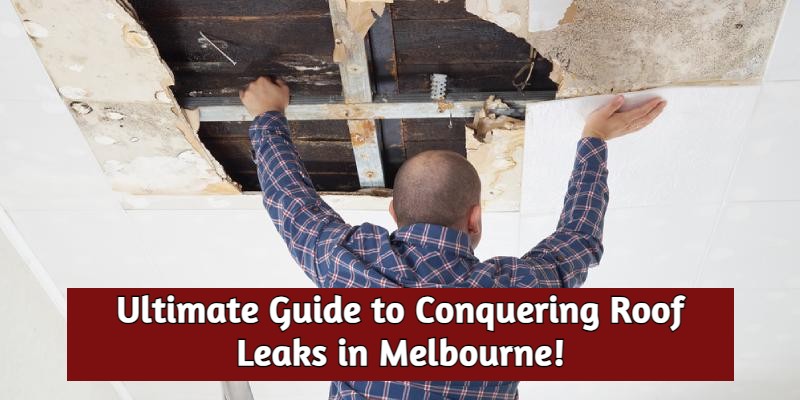
A new ceiling stain deserves attention, but it does not identify the fault on its own. Rainwater can enter through a roof defect and travel before it becomes visible. Moisture can also have other sources, so the repair needs to follow an assessment rather than the shape of the stain.
Separate observations from assumptions
Notice when the mark changes. Does it become damp after rain, appear near a roof junction or remain wet through dry weather? Is there an active drip, or only an old discoloured patch? These details help frame an inspection.
Do not assume that every mark means the roof needs replacement. Equally, a small visible mark does not reveal the full extent of hidden moisture.
Consider roof coverings and drainage together
- Tiles or sheets may have a local defect.
- Flashings around a wall or roof penetration may need attention.
- A gutter, outlet or downpipe may be leaking or overflowing.
- An earlier alteration may have changed a junction or drainage connection.
The relevant areas depend on the building. A repairer should explain which possibilities the assessment supports and which remain uncertain.
Could the moisture be condensation?
Condensation forms when moist air meets a cooler surface. Your Home, the Australian Government housing guide, explains that it can occur within roof and ceiling spaces as well as on visible surfaces. It needs a different assessment from rain entering through a damaged roof.
Read the Your Home condensation guide for background. Do not add ventilation or insulation at random; the existing construction and moisture source matter.
What you can do before the inspection
Take photographs from a safe position, note the weather and record any nearby plumbing or recent building work. Avoid the area if the ceiling is bulging or water is near electrical fittings. Do not open the ceiling or enter the roof space to trace water yourself.
For immediate storm concerns, use our separate storm leak guide. For a stable stain without active water entry, arrange an assessment and explain the history.
Repair the source before the finish
Repainting can hide a stain without resolving the cause. Establish the source of moisture first, then discuss drying and any internal repairs with the relevant trades. Ask the roof repairer to state whether internal work is included or excluded.
If an assessment does not yet establish the source, ask what the next investigation will resolve. That is more useful than accepting a confident diagnosis unsupported by the findings.
Arrange a roof repair enquiry
Melbourne Roof Repairs offers roof repair services. Contact our team with the property address and details of the problem to discuss the next step.
Related guides
- Roof Leaking During a Melbourne Storm: What to Do
- Roof Maintenance in Melbourne: A Practical Leak Prevention Guide
For an active leak during severe weather, see what to do when a roof leaks during a Melbourne storm.