Reviewed and updated 4 October 2026.
Roof maintenance is most useful when it responds to the property rather than a generic calendar. Nearby vegetation, roof access, drainage details and previous problems can all affect what needs attention. Regular care can reduce some risks, but it cannot guarantee a roof will never leak.
Build a record of the roof you have
Keep invoices, product information and notes about previous repairs together. Record the roof covering, known problem areas and when gutters or downpipes were last maintained. If you do not know the condition of the roof, start with a professional assessment.
The Australian Government’s Your Home maintenance guidance emphasises planned upkeep and attention to deterioration. A useful plan prioritises actual defects rather than cosmetic work alone.
Notice changes from safe positions
- New ceiling stains or damp patches.
- Water escaping from a gutter joint or spilling over an edge.
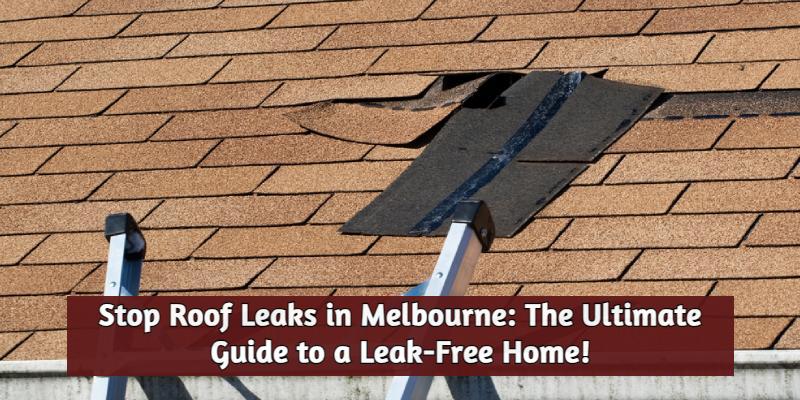
- A visibly displaced roof component after bad weather.
- Rust streaks, sagging guttering or a damaged downpipe visible from the ground.
These observations can prompt an inspection. They do not require climbing a ladder or walking on the roof. Leave work at height to people with appropriate skills and equipment.
Treat cleaning and repair as different tasks
Removing debris may restore drainage where blockage is the problem. It will not repair a hole, a split joint or a loose support. If overflow returns soon after cleaning, describe that pattern when arranging an assessment.
Ask whether the maintenance visit identified any defects that need separate work. A brief record of findings helps avoid repeatedly paying for a task that does not address the cause.
Set the interval around the property’s needs
There is no single inspection interval suited to every roof. Discuss the condition, surrounding trees, accessibility and previous build-up with the person maintaining it. Check for visible changes after significant weather when it is safe to do so.
Plan routine work ahead of forecast severe weather where possible. Do not attempt roof access as a storm approaches or during wet and windy conditions.
Keep repairs and follow-up clear
Prioritise active defects, then agree on any longer-term maintenance. Keep the scope and completed-work record so the next inspection has useful context. If a leak recurs, update the history with when and where it happened.
Coatings or cosmetic improvements should not substitute for investigating drainage faults or damaged roof components. Ask how any recommended work addresses the condition that has actually been found.
Arrange a roof repair enquiry
Melbourne Roof Repairs offers roof plumbing services. Contact our team with the property address and details of the problem to discuss the next step.